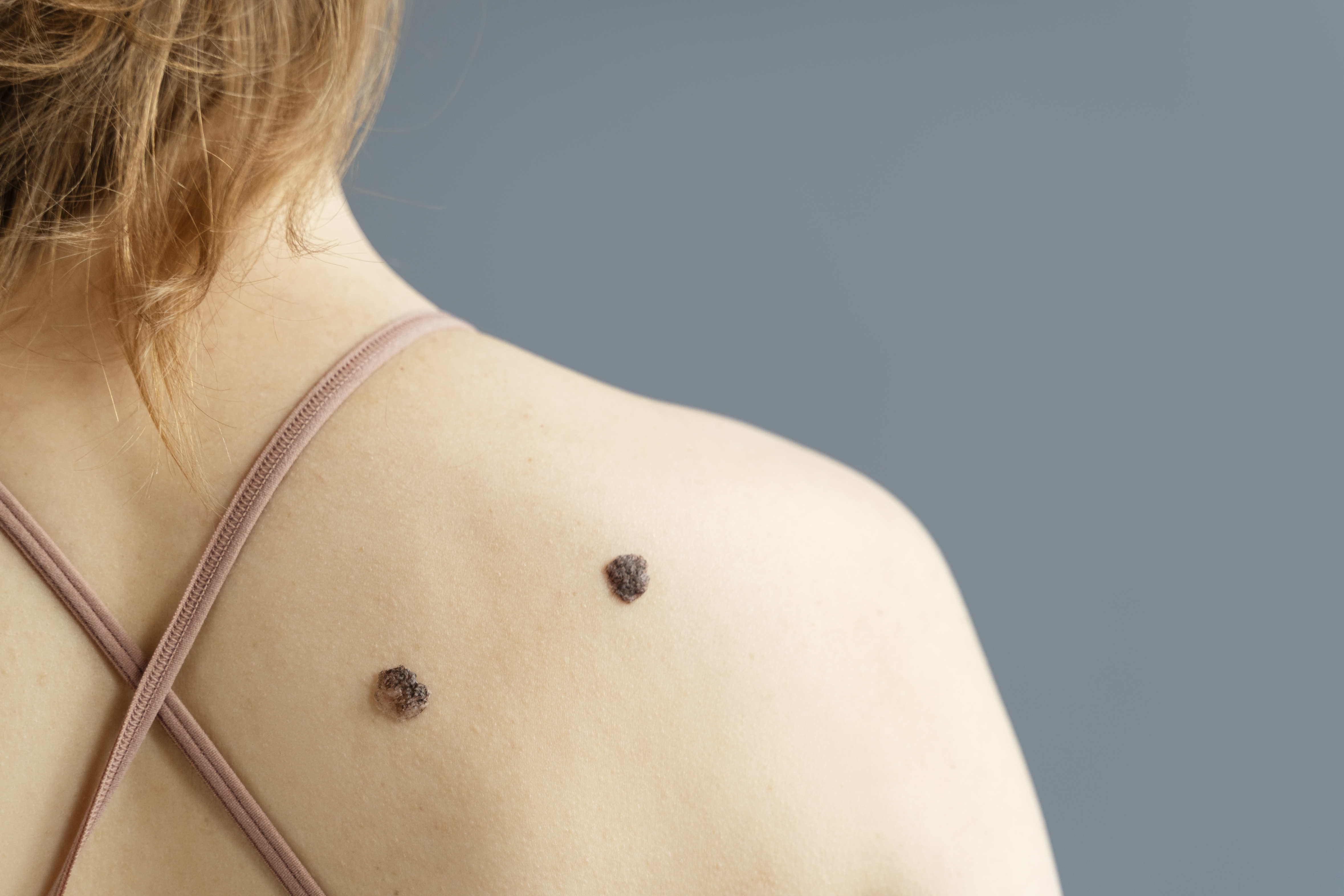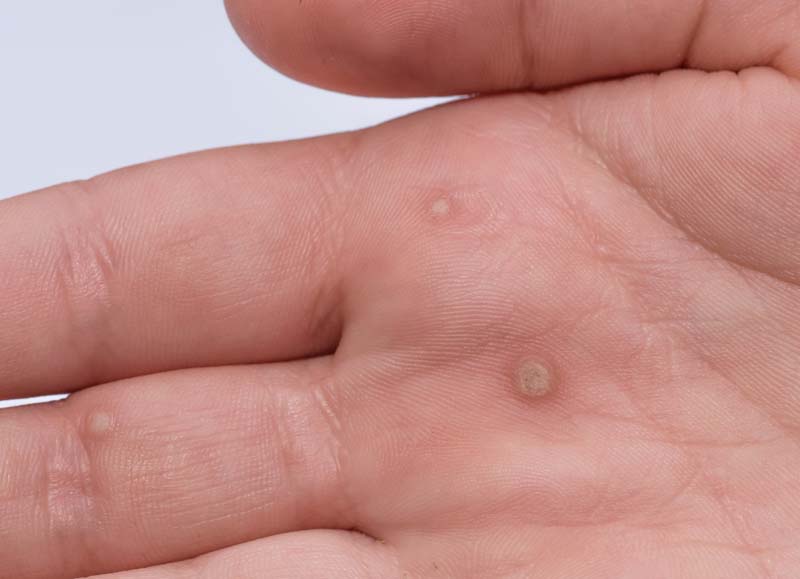
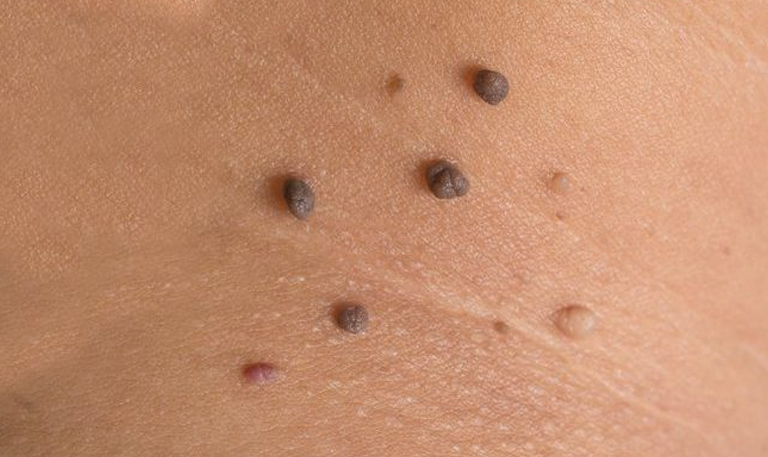
A moles (nevus) is a pigmented (colored) spot on the outer layer of the skin (epidermis). Moles are growths on the skin that develop when pigment cells (melanocytes) grow in clusters. Moles are one thing that is common to all humans. Every person has moles, maybe 1, maybe 40. Moles are not a cause for concern unless they develop certain signs like: Itching / Increase in size / Change of colour. Warts are skin growths caused by the human papillomavirus (HPV). Keloids are raised, thickened areas of skin that result from an overgrowth of scar tissue.In fact they are considered to be a beauty spot by many, especially on the face area. Some even consider this to be a sign of good luck and prosperity.
It's important to note that self-removal methods for moles, warts, keloids, or skin tags may not be safe and can lead to complications or scarring. Consult a dermatologist or healthcare professional for proper diagnosis and treatment options, especially for moles or any growth that exhibits changes in size, shape, or color. Additionally, treatments may vary based on the location and size of the growth and the individual's health and preferences.
While moles, warts, keloids, and skin tags may differ significantly in terms of their characteristics and symptoms, here are some common signs and symptoms associated with each of these skin conditions
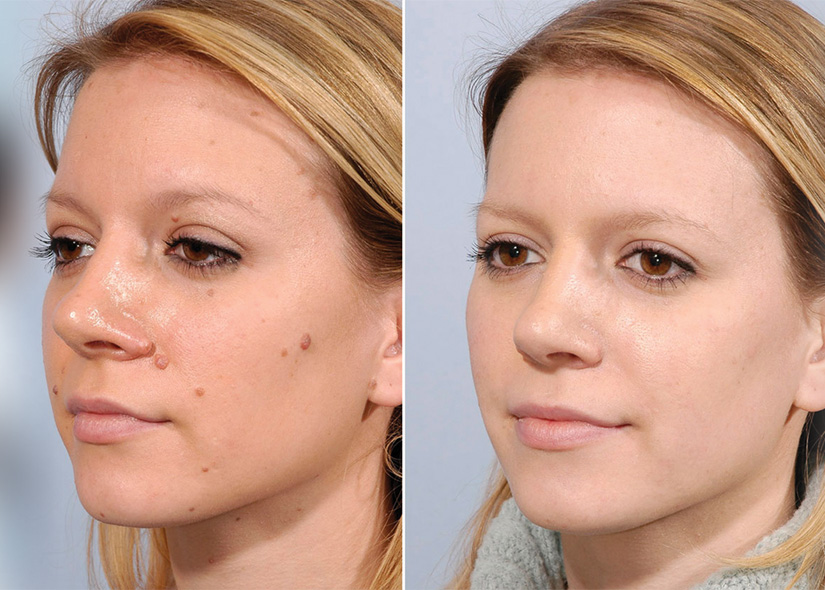
A mole is a common skin growth composed of pigmented cells. Most moles are harmless, but some may need evaluation by a dermatologist to rule out skin cancer.
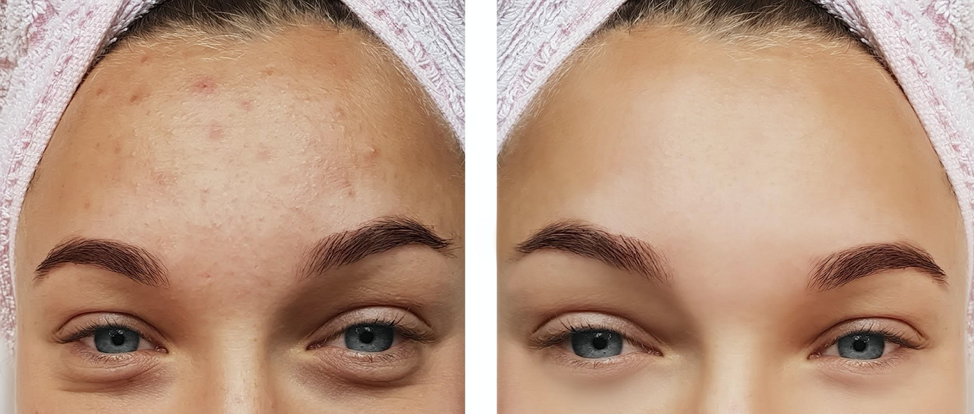
Enlarged pores can result from various factors, including genetics, excess oil production, aging, sun damage, clogged pores, hormonal changes, and lifestyle habits.
Moles are primarily caused by a concentration of melanocytes (pigment-producing cells) in the skin. Genetics and sun exposure play a role in their development.
Yes, moles can be removed for cosmetic reasons or if they show signs of being cancerous. Removal methods include excision, shave excision, laser therapy, or cryotherapy.
Warts are skin growths caused by the human papillomavirus (HPV). They can appear on various parts of the body, including the hands, feet, and genital area.
Yes, warts are contagious and can spread through direct skin-to-skin contact or contact with contaminated surfaces.
Warts can be treated with over-the-counter topical medications, cryotherapy, electrocautery, or prescription treatments, depending on their location and type.
Keloids are raised, thickened scars that can develop after skin injury or surgery. They result from an overproduction of collagen.