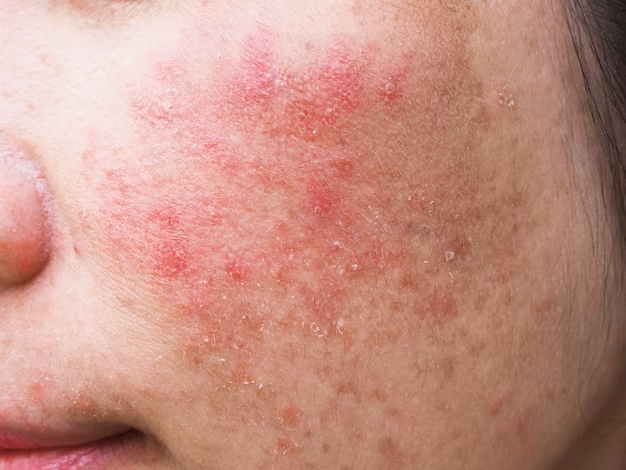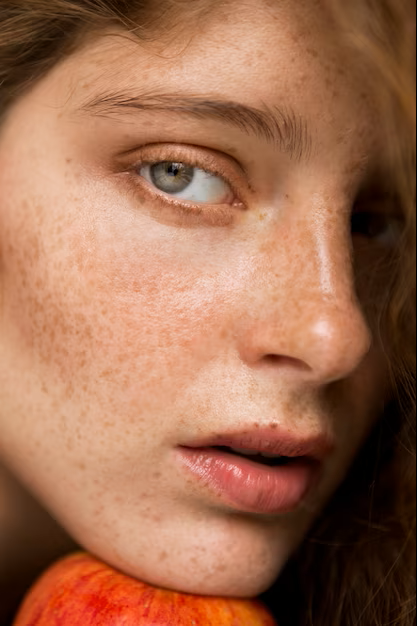
Melasma is a common skin condition characterized by the development of brown or grayish-brown patches on the skin, typically on the face. These patches are the result of overproduction of melanin, the pigment responsible for skin color.Melasma is primarily a cosmetic concern and does not pose any health risks.
Melasma is sometimes referred to as "chloasma" or "the mask of pregnancy" because it often occurs in pregnant women.Melasma is more prevalent in women, especially those with darker skin tones, but it can affect men as well. Here's a detailed description of melasma:
Melasma can be challenging to treat, and it may not completely disappear. However, several treatment options are available to lighten or reduce the appearance of melasma:
Melasma is most common in people with light brown skin tones. It can develop after prolonged sun exposure or during pregnancy due to fluctuating hormone levels. Other possible causes of melasma include.
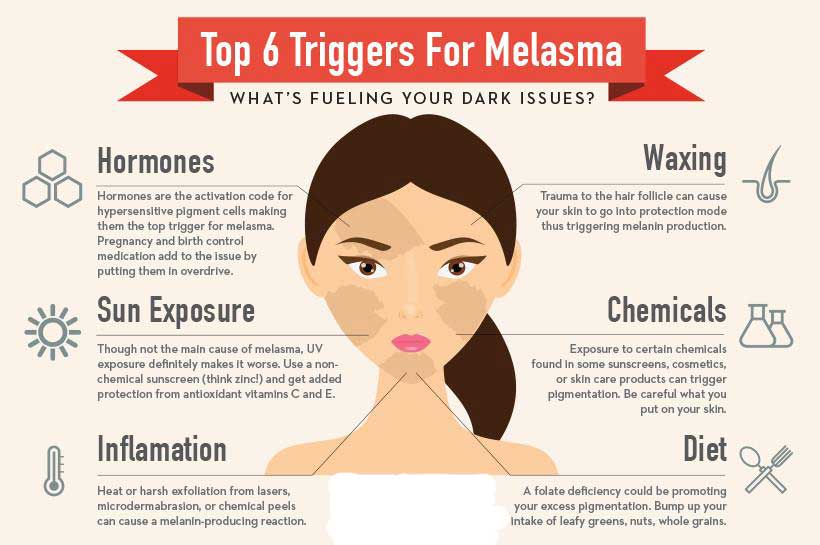
Melasma is a common skin condition characterized by brown or grayish-brown patches on the skin, typically on the face. It's often triggered by factors like hormonal changes and sun exposure.
While melasma cannot always be prevented, you can reduce your risk by wearing sunscreen daily, avoiding excessive sun exposure, and managing hormone-related factors if applicable.
Melasma treatment can be effective in reducing the appearance of pigmentation. However, it may require ongoing management and sun protection for lasting results.
Treatment options may include topical creams, chemical peels, laser therapy, microneedling, and sun protection. The choice of treatment depends on the type and severity of melasma.
Results vary depending on the treatment used. Some treatments may show improvement within weeks, while others may take several months to achieve noticeable results.
Side effects can vary depending on the treatment method. Common side effects may include temporary redness, irritation, or mild discomfort. Your dermatologist will discuss potential side effects before treatment.
es, melasma can recur, especially if sun exposure is not adequately controlled. It's important to continue sun protection and follow-up with your dermatologist as needed.
Over-the-counter products may help to some extent, but for more severe cases, it's advisable to consult a dermatologist who can recommend prescription-strength treatments.