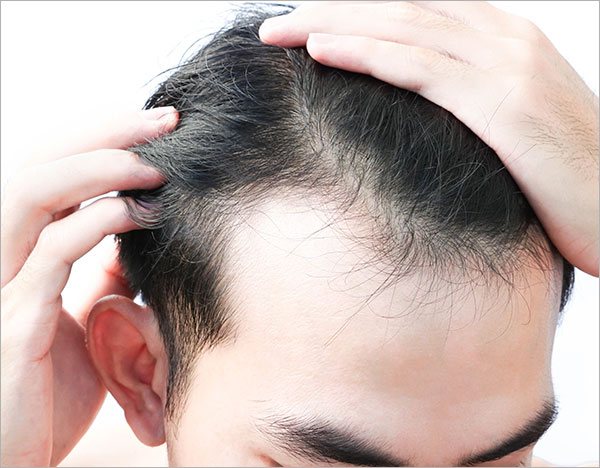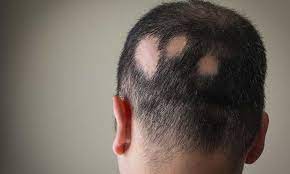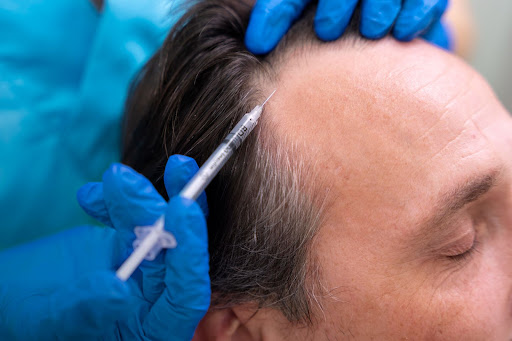
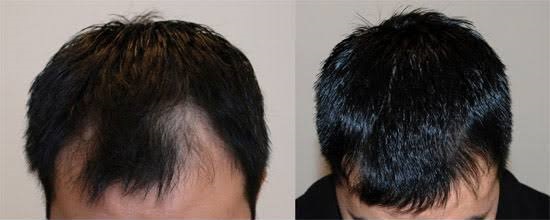
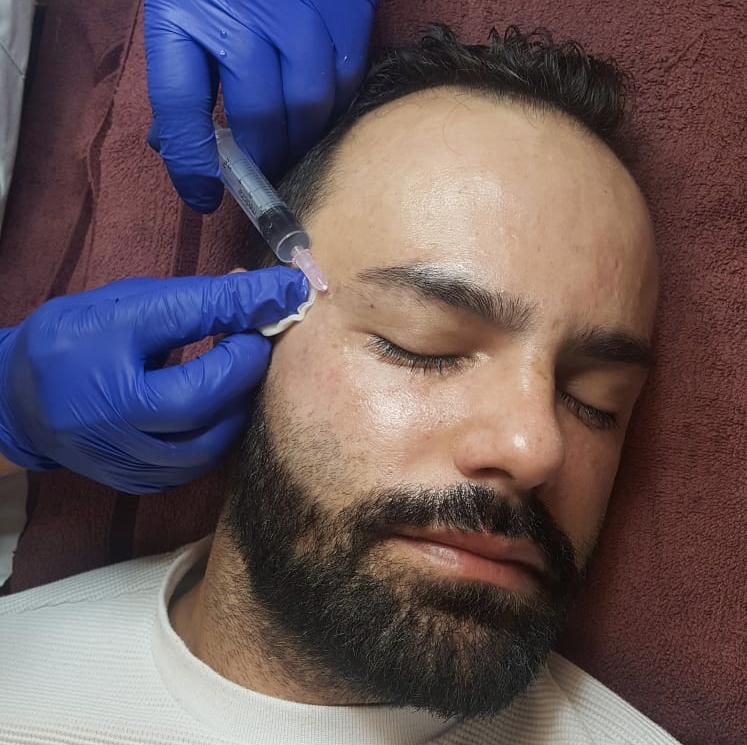
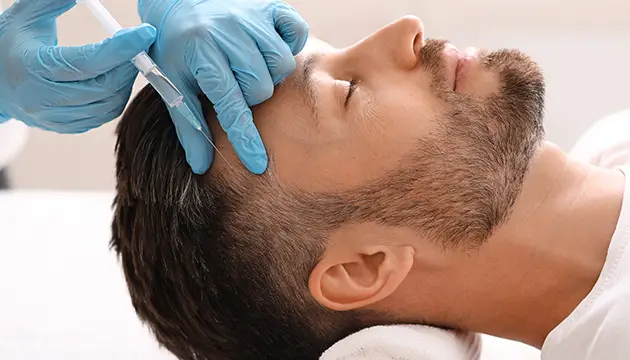
Mesotherapy is a non-invasive technique based on superficial microinjections, just below the epidermis, into the target tissues. The term meso is derived from the mesoderm or middle layer of the skin (approx. 1 mm deep). Mesotherapy is a treatment that stimulates the mesoderm, which relieves a wide variety of symptoms and ailments. The solution injected can contain a wide range of minerals, vitamins, amino acids, nucleic acids and co-enzymes that can be tailored to each patients individual needs. Mesotherapy for hair loss is used with great success in Europe and the United States. The treatment is virtually painless and safe when done professionally. There is no dressing or local anaesthesia required. After the treatment you can just go back to work.
The treatment in mesotherapy involves the injection of various substances into the skin's mesoderm layer to address specific cosmetic concerns. The choice of substances and the injection technique depend on the purpose of the treatment. Here are some common mesotherapy treatments and the substances used
The substances in the mesotherapy cocktail work in synergy to address various cosmetic concerns. For example, in skin rejuvenation, vitamins and antioxidants promote collagen production, improve skin texture, and reduce fine lines. In hair restoration, growth factors stimulate hair follicles, promoting regrowth. In body contouring, lipolytic agents help break down fat cells and improve the appearance of cellulite.
Hair loss is a multifaceted condition with diverse symptoms and manifestations, often influenced by the underlying causes. Here is a more comprehensive overview of common symptoms and signs associated with hair loss:
Recognizing these various symptoms and their specific characteristics is essential for proper diagnosis and effective treatment. If you're experiencing hair loss or any of these symptoms, it's recommended to consult with a healthcare professional or dermatologist. They can help identify the underlying cause of your hair loss and provide tailored recommendations to address your unique condition and restore your hair health.
Hair loss can have various causes, including genetics (androgenetic alopecia), hormonal changes, medical conditions, medications, nutritional deficiencies, stress, and certain hairstyles or hair treatments.
Yes, androgenetic alopecia, or male and female pattern baldness, has a strong genetic component. If you have a family history of hair loss, you may be at a higher risk.
Prevention may be possible in some cases, such as avoiding tight hairstyles that cause traction alopecia, maintaining a healthy diet, managing stress, and addressing underlying medical conditions. However, hereditary hair loss may not be preventable.
Yes, there are various treatments available, including topical medications, oral medications, hair growth procedures (e.g., minoxidil, finasteride, hair transplant surgery), and mesotherapy. The effectiveness of treatments depends on the type and cause of hair loss.
Some shampoos claim to promote hair growth or reduce hair loss. While they may improve the overall health of your hair and scalp, they may not provide significant regrowth for advanced hair loss. Consult a healthcare provider for more effective treatments.
Hair loss related to stress, such as telogen effluvium, is often temporary and can be reversed by addressing the underlying stressor. Once the stress is managed, hair growth typically resumes.
Some natural remedies, like essential oils (e.g., rosemary oil, peppermint oil), aloe vera, and scalp massages, may help promote hair health. However, their effectiveness varies, and it's essential to use them cautiously.
Yes, women can also experience hair loss, including androgenetic alopecia (female pattern baldness), which has a different pattern of thinning compared to men.